
The conference “Partnering with Taiwan” was successfully held in Berlin, marking the third installment of the Berlin Taiwan Conference.
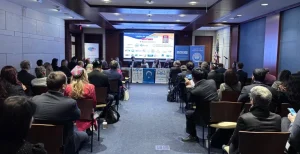
The conference “Partnering with Taiwan” was successfully held in Berlin on December 5th and 6th, 2024, marking the third installment of the Berlin Taiwan Conference. Hosted by the German-Taiwanese Dialogue Platform and organized by the European Academy Berlin, the event sought to provide a nuanced perspective on Taiwan beyond geopolitical tensions.
The two-day conference was strategically located across two prominent venues in Berlin. On December 5th, participants gathered at the European House, while the second day’s proceedings took place at the Berlin House of Representatives.
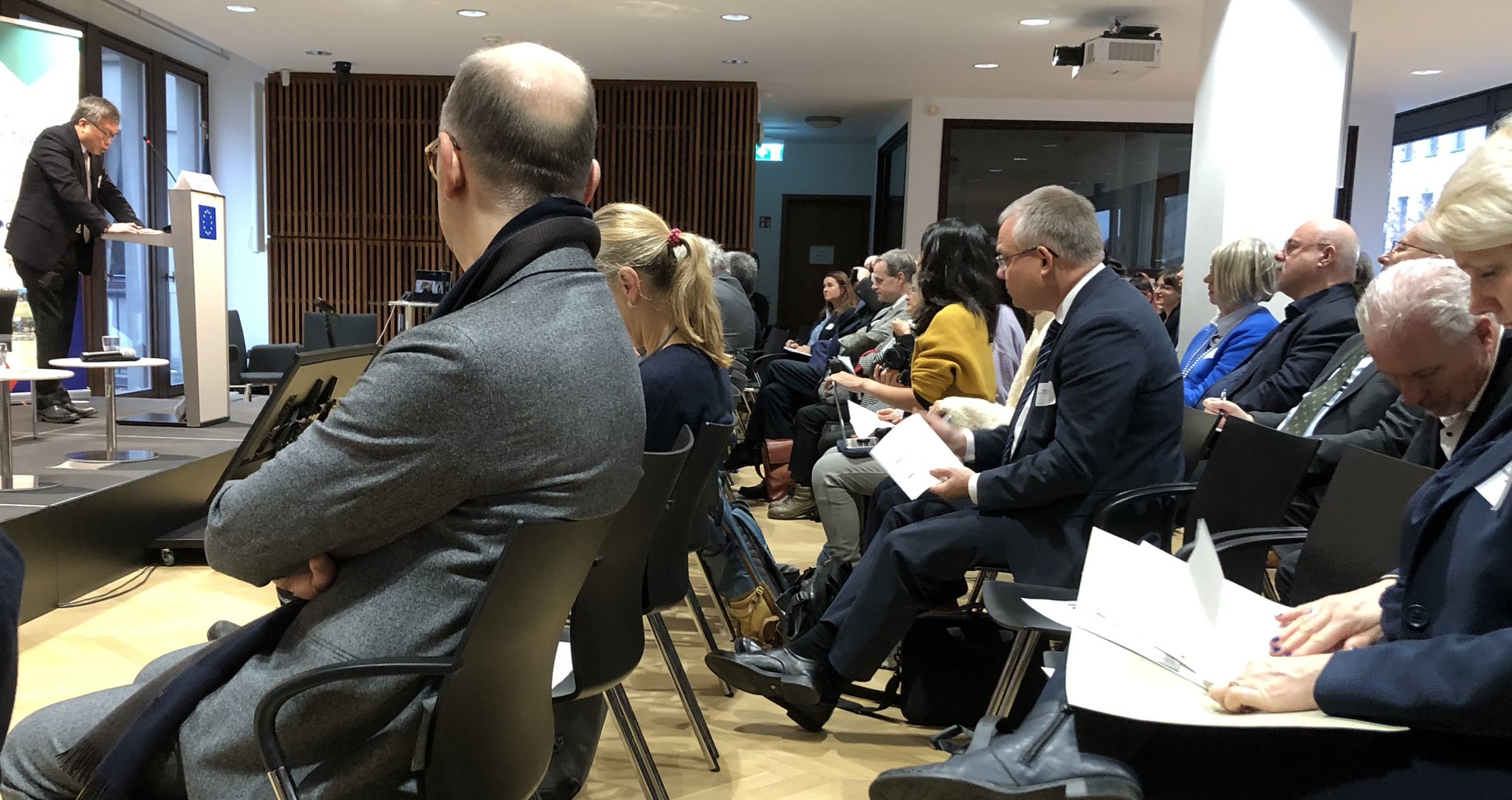
The conference featured an engaging program designed to deepen Germany’s understanding of Taiwan. Through a series of panel discussions and keynote speeches, the organizers successfully showcased Taiwan’s multifaceted nature, moving beyond the narrow lens of regional geopolitical challenges.
The event represented a significant diplomatic and cultural exchange, continuing the momentum of the previous successful conferences held in 2022 and 2023, and providing a platform for exploring potential collaborative opportunities between Germany and Taiwan.
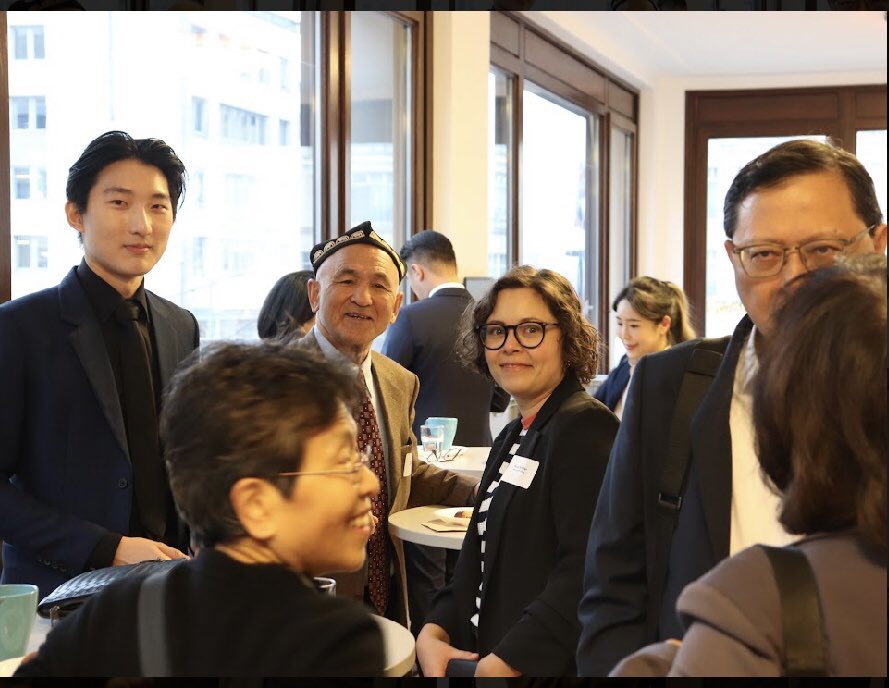
The event was moderated by Dr. Christian JOHANN from the Europäische Akademie Berlin. Reinhard BÜTIKOFER, Co-Chair of the Germany-Taiwan Dialogue Platform, Dr. SHIEH Jhy-Wey, Taiwan’s Representative in Germany, Frank HARTMANN, Head of Department at the Ministry of Foreign Affairs of the Republic of Germany, as well as many politicians and academics attended the event.
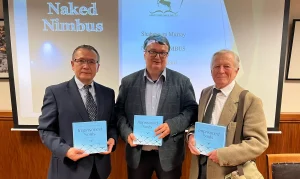
Enver Can, Founding President of the Ilham Tohti Initiative, attended by special invitation. Can exchanged ideas with politicians and academics from all over the world during the event. Can also asked the academics for support to nominate Ilham Tohti for the Nobel Peace Prize in 2025.
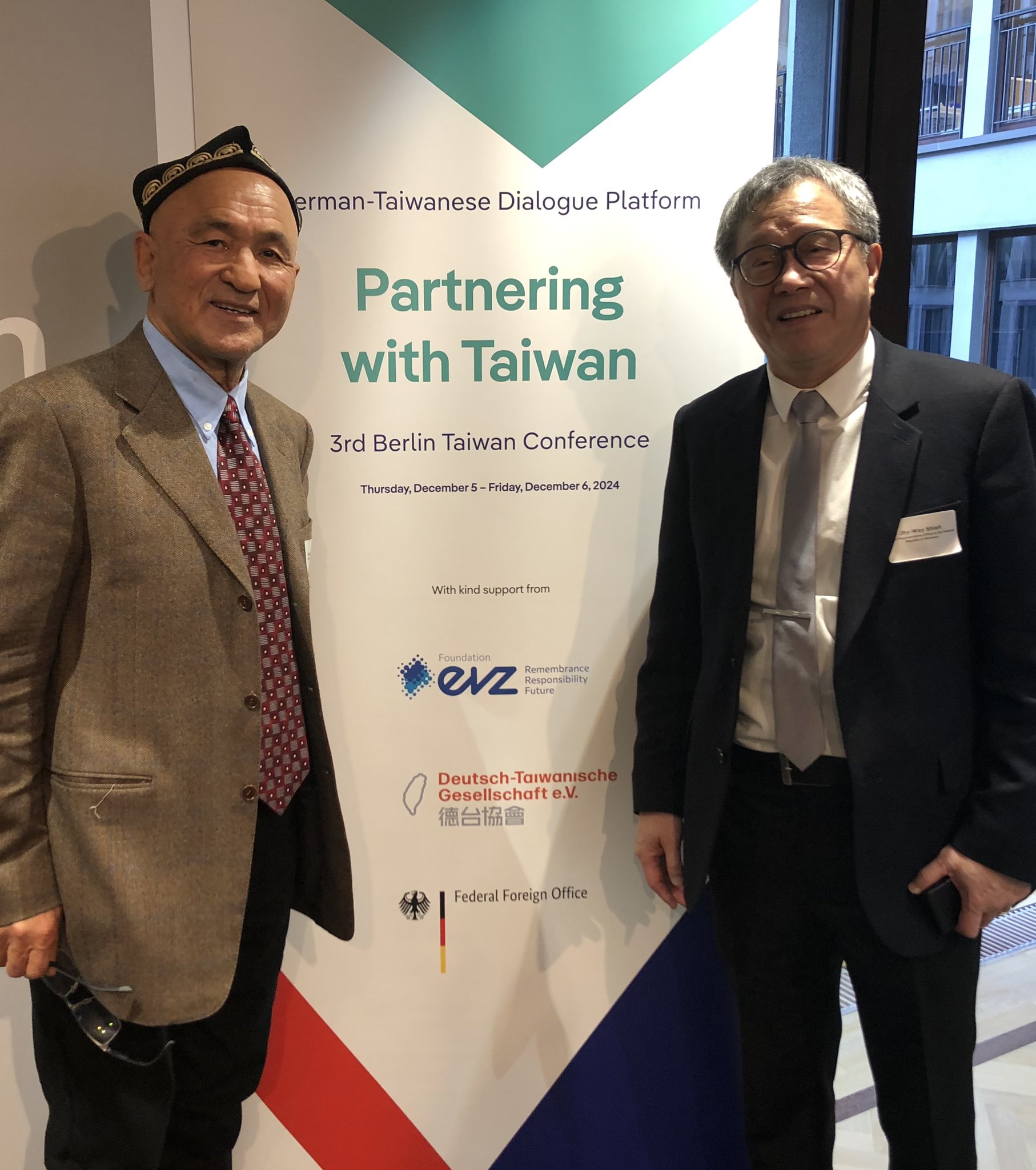
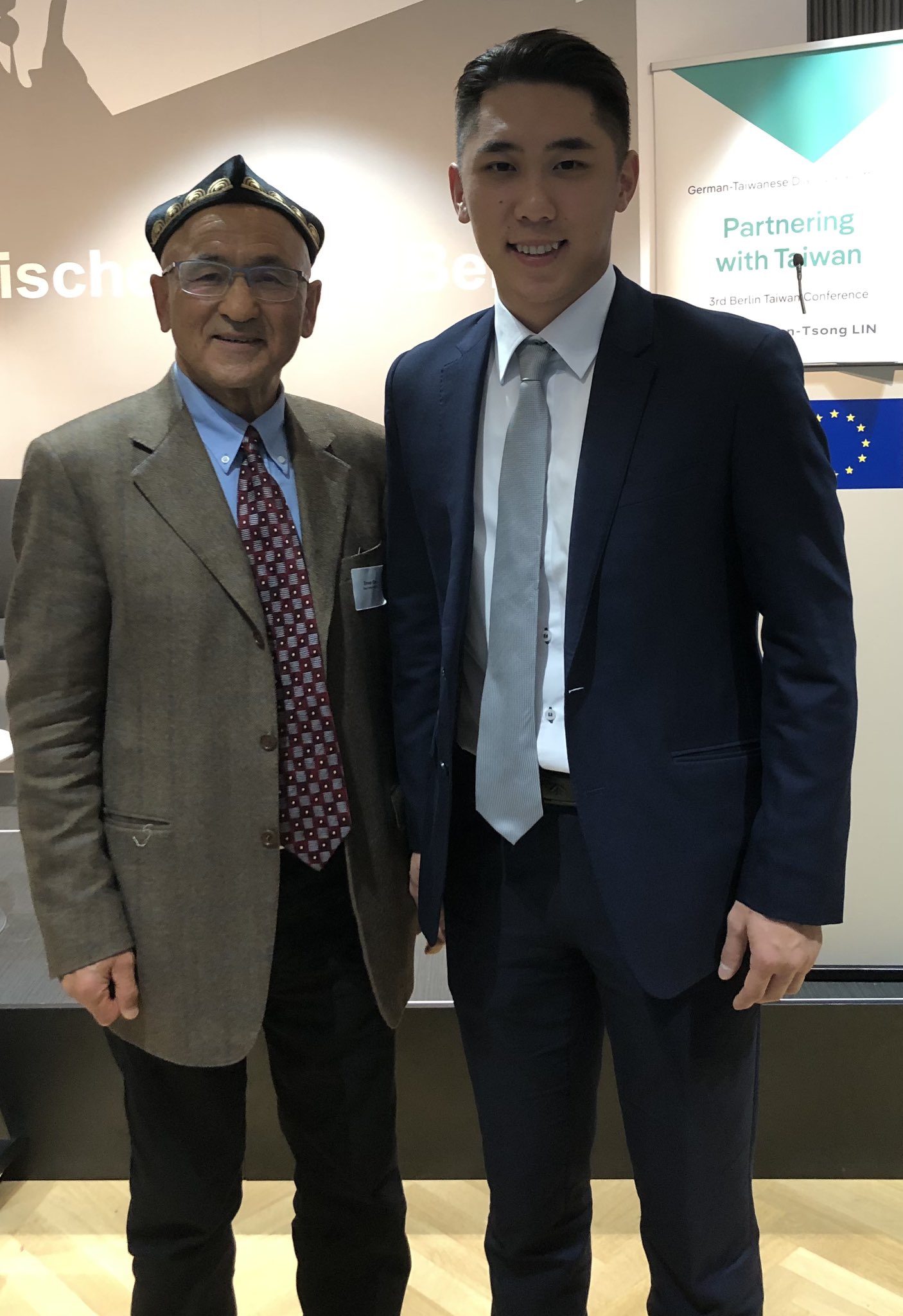
“Amid the Chinese military treaths against Taiwan , the 3rd Berlin Taiwan Conference is another sign of pragmatism,” Anver Can said. “The supportive voices from Taiwan to Uyghur human rights cause encourages us for more networking,” Can also said.
Bütikofer, answering a question, says, “It is important for us to partner with Taiwan, because democracies, in order to protect their interests and shared values against authoritarian powers, must stand together in solidarity.“

The conference brought together experts from Germany and Taiwan to discuss critical bilateral relations across multiple domains. Key highlights include:
1st Panel: Transitional Justice
This panel delved into the complex processes of historical reconciliation and human rights protection. Experts from Germany and Taiwan shared insights into addressing past systemic injustices. Dr. Anna KAMINSKY and Prof. Dr. CHEN Chun-Hung explored the challenges of documenting and overcoming historical oppression. Minister LIN Ming-Hsin’s keynote emphasized Taiwan’s ongoing efforts to protect human rights and maintain security, drawing parallels between Germany’s experiences with communist dictatorship and Taiwan’s own historical struggles.
2nd Panel: Municipal Governance
Local politicians from Taipei and German cities examined innovative approaches to urban management and citizen service. The panel highlighted diverse strategies for effective local governance, focusing on how municipalities can best serve their communities. Participants discussed technological integration, citizen engagement, and adaptive governance models. Prof. Dr. LIN Minn-Tsong’s keynote on “Glocal” perspectives provided a unique insight into creating resilient tech ecosystems that bridge local needs with global technological trends.
Special Discussion: UN Resolution 2758
Jan Maarten PATERNOTTE led a critical examination of United Nations Resolution 2758, challenging the legitimacy of Beijing’s territorial claims on Taiwan. The discussion explored the nuanced legal and geopolitical implications of the resolution, offering a deep dive into international law, diplomatic relations, and the complexities of Taiwan’s international status.
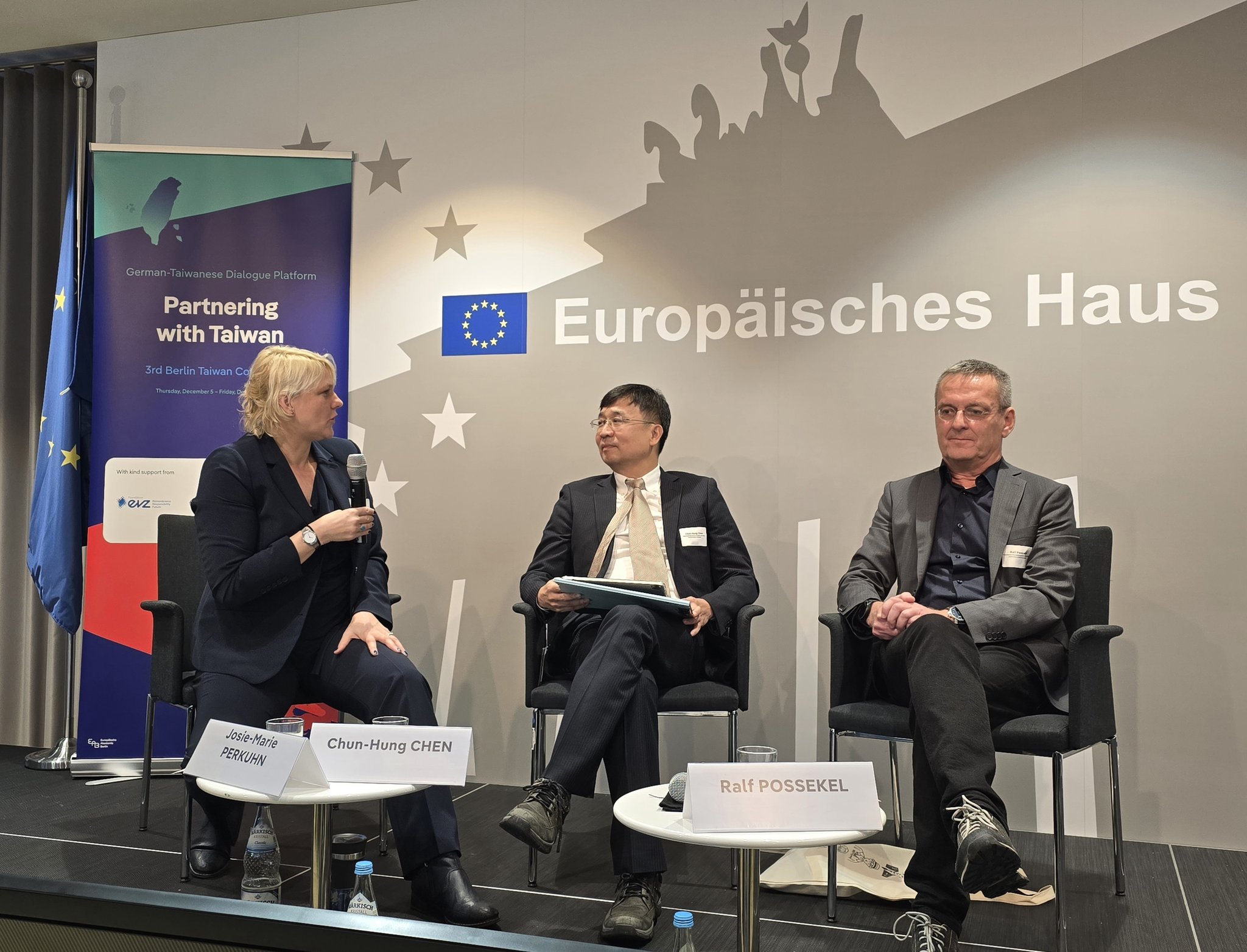
3rd Panel: Civil Protection
This panel brought together security experts and political representatives to discuss comprehensive civil protection strategies. German Bundestag members and Taiwanese advisors explored whole-of-society approaches to national defense and resilience. The discussions centered on innovative civil defense mechanisms, community preparedness, and the integration of civilian and military protection strategies. Prof. Dr. Wolfgang NIEDERMARK’s economic perspective added depth to the understanding of national security beyond traditional military considerations.
4th Panel: Literature and Its Impact
Taipei-based authors Stephan THOME and WU Ming-Yi explored the role of literature in cultural understanding and international dialogue. The panel examined how literary works can bridge cultural gaps, provide insights into societal challenges, and create empathy across different political and social contexts. Moderated by Angela KÖCKRITZ, the discussion highlighted literature’s power in fostering cross-cultural communication.
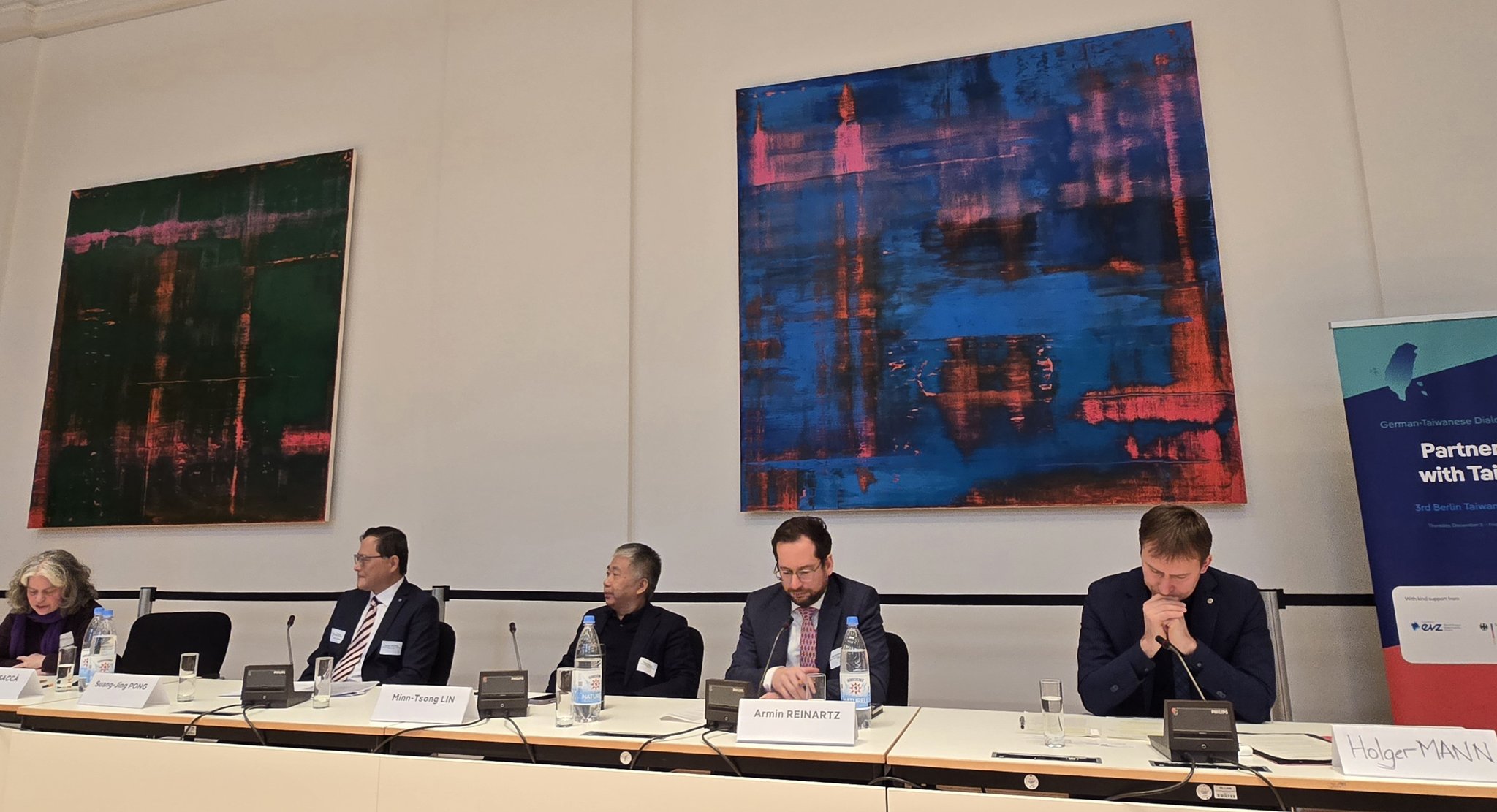
5th Panel: Science and Research Cooperation
Researchers and policy makers from both countries discussed potential collaborations in science and technology. The panel explored opportunities for joint research initiatives, technology transfer, and academic exchange. Participants from the National Science and Technology Council, Federal Ministry of Education and Research, and academic institutions shared insights into creating meaningful scientific partnerships that transcend geopolitical boundaries.





Be First to Comment