
Solidarity in Türkiye rises for imprisoned Uyghur scholar Ilham Tohti as events across three major cities call for his freedom and support his Nobel Peace Prize nomination.
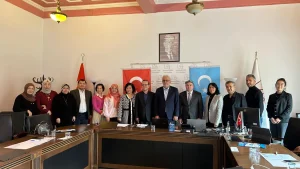
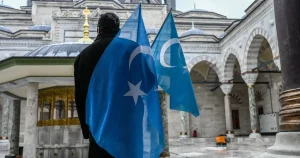
In Türkiye, an unprecedented level of solidarity has been demonstrated for Uyghur academic and human rights defender Assoc. Prof. Ilham Tohti, who has been sentenced to life imprisonment by China since 2014 on purely political grounds. The series of Conferences held across three major cities—Istanbul, Izmir, and Ankara—from November 28–30, 2025, were initiated by the Ilham Tohti Initiative (ITI) and supported by Prof. Dr. Ömer Kul and the Isa Yusuf Alptekin Foundation, in collaboration with various civil society organizations. These gatherings aimed to promote Tohti, support his nomination for the 2026 Nobel Peace Prize, and bring the Uyghur people’s peaceful struggle for their fundamental rights to national agenda. The Conferences marked a significant moment not only for securing the freedom of an unjustly imprisoned scholar but also for making visible the immense suffering endured by millions in East Turkistan.
Assoc. Prof. Ilham Tohti served for many years as a respected scholar of economics at Minzu University of China in Beijing. He was widely admired by his students as an idealistic academic who based his arguments on rigorous research. One of his most defining characteristics was his willingness to openly address the growing social, cultural, and economic inequalities between Uyghurs in East Turkistan and the dominant Han ethnic group in China, and to propose peaceful measures to resolve these injustices.
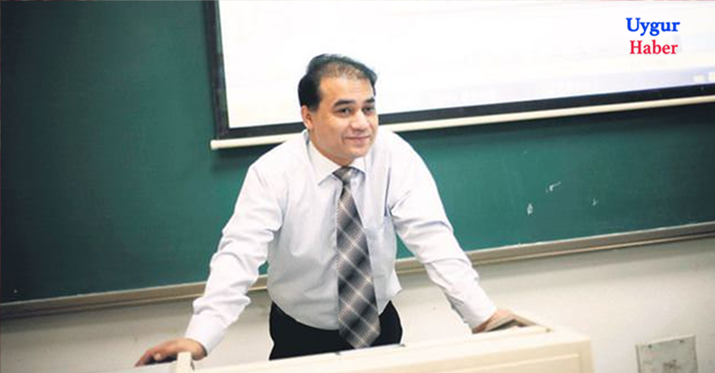
Tohti advocated for the genuine implementation of the rights already guaranteed under the Chinese constitution to Uyghurs and other minority groups, for equitable regional development, and for resolving ethnic tensions through dialogue. However, the authoritarian Chinese state perceived these peaceful calls as a threat. In 2014, he was arrested during a raid on his home and charged with “separatism,” an accusation unsupported by any credible evidence. Despite strong objections from international legal experts, he was sentenced to life imprisonment after a show trial. Since then, he has been held in severe isolation, and even basic contact with his family has been largely prohibited.
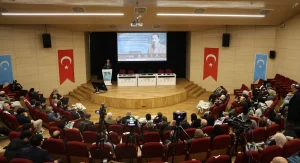
The first event took place in Istanbul on November 28 at Zeytinburnu Social Facilities and drew considerable attendance. Organized in cooperation with the Turkish World Research Foundation, the program brought together academics, human rights activists, and journalists, becoming one of the most significant platforms of solidarity in Türkiye regarding Tohti’s case. Speakers emphasized that Tohti’s approach—rooted in nonviolence, the rule of law, dialogue, and freedom of expression—is aligned with the shared values of humanity, and that his continued imprisonment represents an affront not only to Uyghurs but to all who believe in justice and human dignity.
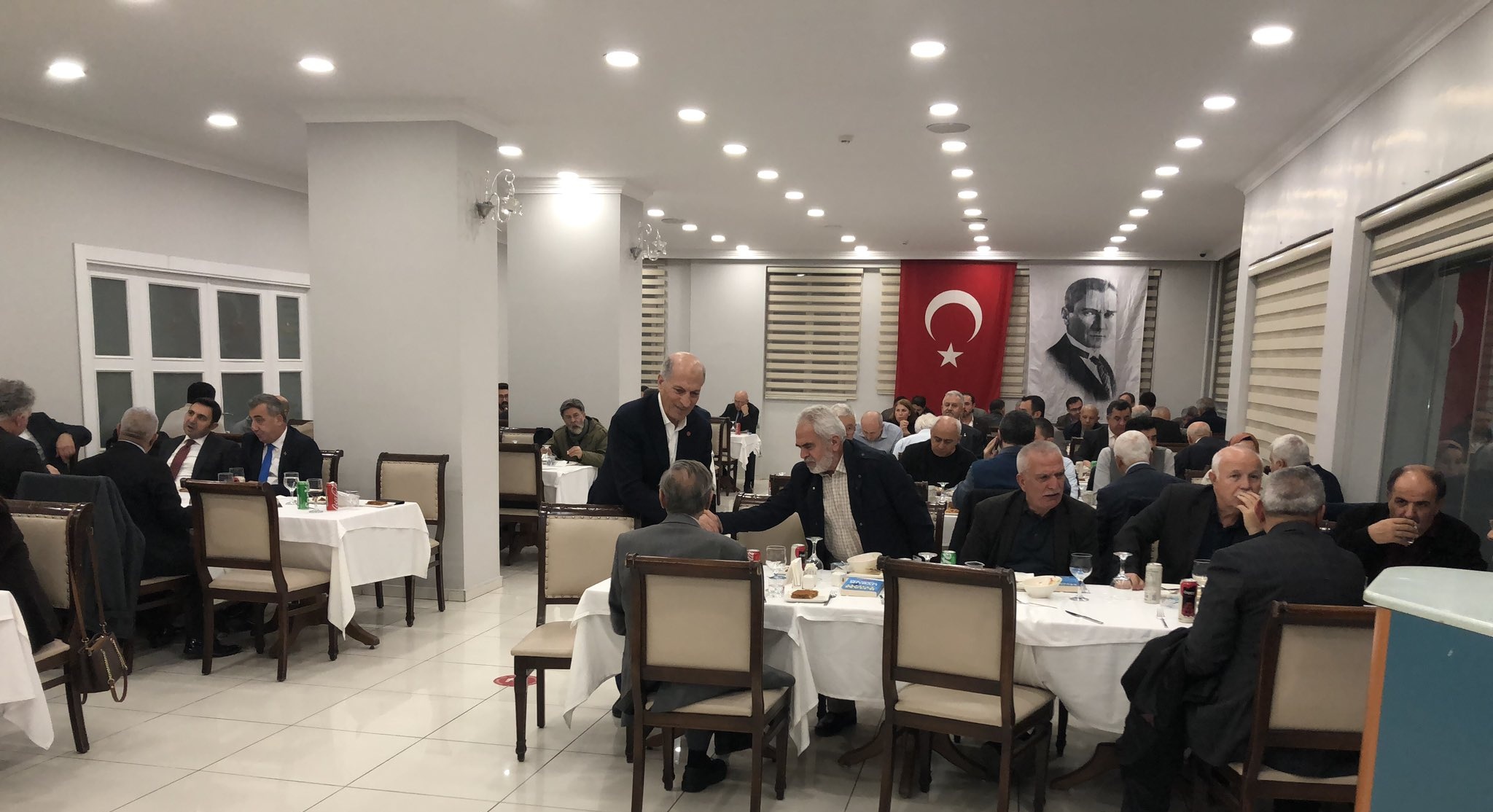
Enver Can, Founding President of the Ilham Tohti Initiative, says that Ilham Tohti — often called the “Mandela of the Uyghurs” — has become not only the voice of the Uyghur people, but also the conscience of the entire Turkic world and, indeed, of humanity. He adds: “Thank you all for supporting the cause and peaceful struggle of such an extraordinary person. If he were to receive the Nobel Peace Prize, it would mean that the Uyghur human rights crisis — so often described as our ‘bleeding wound’ — is once again recognized by the whole world.”
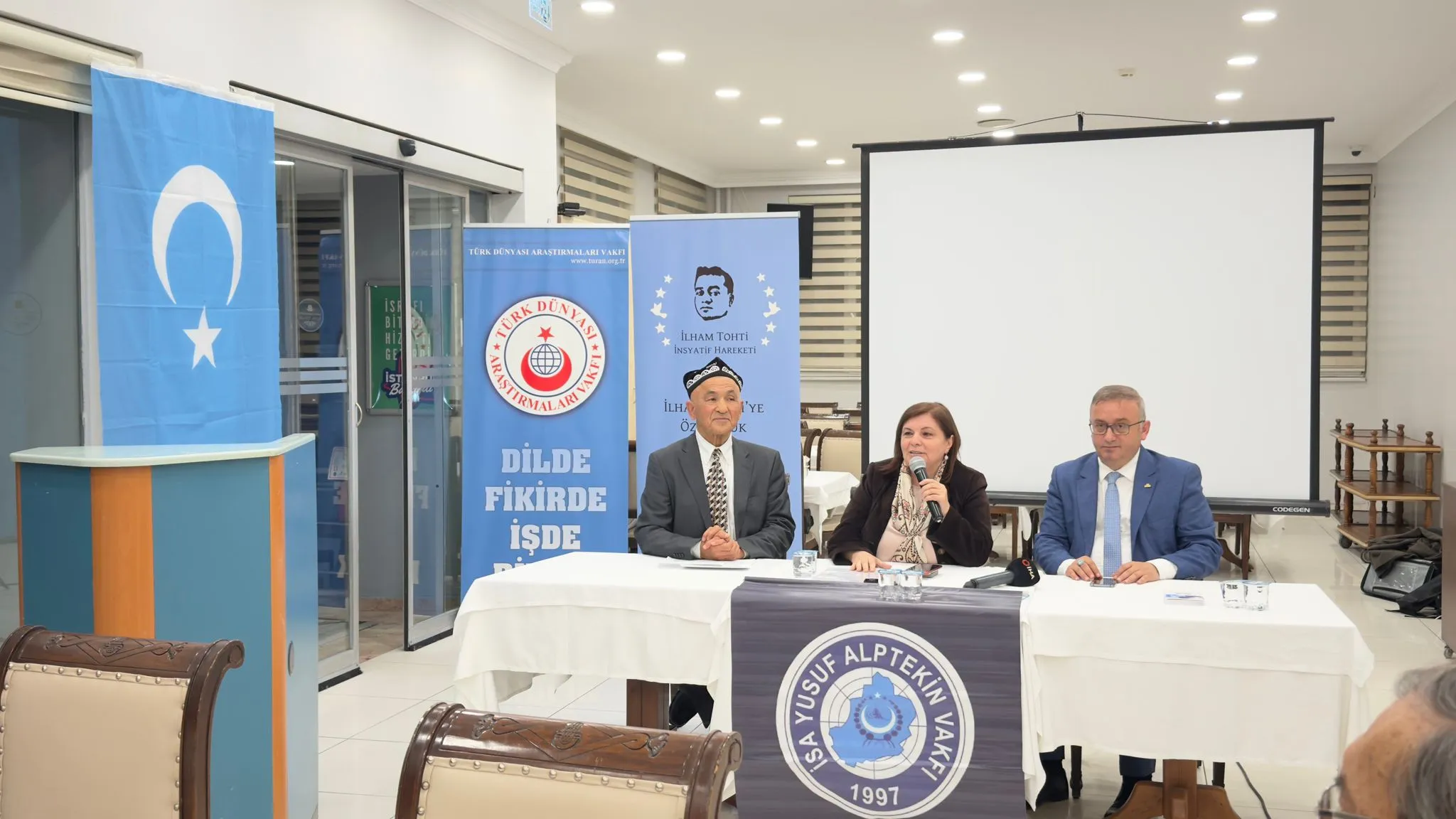
Academics highlighted the longstanding sensitivity of the Turkish public toward the East Turkistan issue and underscored the importance of strengthening this stance today. Prof. Dr. Ömer Kul of Istanbul University noted that Tohti has long been recognized as a “peace loving intellectual” by the international community and that his release is not merely a matter of individual freedom, but a litmus test for the future of a global order that claims to uphold human rights. Kul explained that Tohti taught his students and readers that rights must be pursued through laws, nonviolent means and through mutual respect among ethnic communities. Therefore, his ongoing imprisonment contradicts even China’s own laws. The Istanbul event also featured a documentary presentation and academic analyses to broaden awareness among the public.
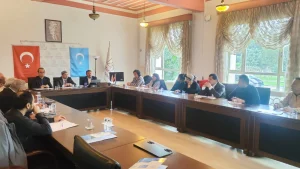
The second Conference was held in Izmir on November 29, in partnership with the Institute of Turkish World Studies at Ege University, the Izmir Thought Platform, and the Izmir Higher Traders Association. Experts emphasized that Ilham Tohti is not only a scholar but also a symbol of the Uyghur people’s peaceful pursuit of their rights.

Prof. Dr. Abdullah Temizkan, director of the Institute, stated: “Supporting Ilham Tohti is not only a humanitarian duty but also a national responsibility. He represents the freedom of thought, academic independence, and the right to conduct research for every scholar in the Turkic world. By standingbehind him, we demonstrate our commitment to the values of free expression and intellectual progress across all Turkic communities.”

Ege University faculty member Prof.Dr. Alimcan Inayet shared personal memories of Tohti, describing him as a courageous and principled academic who knowingly risked his safety in Beijing while advocateçing for his people’s rights and dignity. Speakers pointed out that the numerous international human rights awards granted to Tohti reflect the universal legitimacy of his ideas—and that his continued imprisonment is in stark contradiction to fundamental legal norms. The program concluded with the presentation of plaques to those who have contributed significantly to efforts dedicated to Tohti.
The third Conference took place on November 30 in Ankara, in cooperation with the Yesevi Movement Ankara. The program focused on the entrenched human rights violations in East Turkistan and Tohti’s peaceful academic work in the area of freedom of thought. Speakers stressed that Tohti has always sought rule of law and just solutions to the challenges faced by non-Han ethnic groups in China.

The gatgering became a platform for discussing efforts to institutionalize long-term solidarity in Türkiye, including raising national media visibility, organizing further university panel series, coordinating with international organizations, and expanding public awareness efforts. Participants also emphasized that Türkiye’s growing influence regionally and globally presents a crucial opportunity to adopt a more assertive diplomatic stance on the East Turkistan issue.

Participants reiterated in their joint statements that Ilham Tohti has been unjustly punished on baseless charges, and that every day he spends in prison constitutes a severe violation of his human rights. They argued that his nomination for the Nobel Peace Prize has further amplified global recognition of the immense suffering endured by the Uyghur people, including atrocities at a genocide level and widespread human rights abuses. At the same time, they emphasized that Tohti’s identity as a scholar, his steadfast belief in democratic principles, and his firm commitment to peaceful coexistence among ethnic groups stand as an inspiration for all of humanity. Therefore, they stressed, every voice raised for his freedom is a voice raised for universal justice and human dignity.
A frequently repeated message at the events was this: in a world where Ilham Tohti is silenced, freedom of expression itself is at risk. The solidarity activities in Türkiye were said to provide hope not only to Uyghurs but to all people who value and defend the freedom to think and speak without fear. The struggle for Tohti’s release was described as an urgent outcry against forced assimilation, mass internment camps, cultural genocide, religious oppression, and the separation of families—atrocities endured by Uyghurs in East Turkistan.
The consecutive events held across Türkiye amplified the voice of the Uyghur community and demonstrated that Tohti’s intellectual legacy is stronger than the systems that seek to silence him. This wave of solidarity not only affirmed Türkiye’s principled support for the East Turkistan cause but also signaled the likelihood of broader and more impactful initiatives in the future.
Ultimately, this powerful surge of support—from Istanbul to Izmir, from Ankara to all corners of Türkiye—proved that Assoc. Prof. Ilham Tohti and the people of East Turkistan are not alone. The determination expressed at the close of the meetings was encapsulated in a single resounding message: “This struggle will continue until Assoc. Prof. Ilham Tohti is free—because his freedom represents the dignity of all humanity.”


Be First to Comment